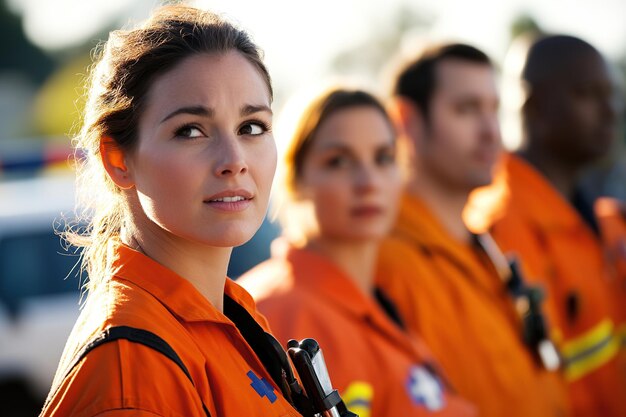
Atlanta Emergency Management Develops World Cup Mass Casualty Response Plan
Atlanta's emergency management officials have developed a comprehensive mass casualty response plan in preparation for World Cup events, according to authorities overseeing public safety operations in the region. The plan represents a coordinated effort across multiple agencies to address potential large-scale incidents that could occur during the tournament.
The development of such a plan reflects standard emergency preparedness practices for major international sporting events. Large gatherings—whether at stadiums, fan zones, or transportation hubs—require detailed contingency planning to ensure rapid and effective response to medical emergencies, injuries, or other public safety threats.
Coordination Across Agencies
Developing a mass casualty response plan involves collaboration between emergency management, fire, police, hospitals, and other agencies responsible for protecting residents and visitors. The plan typically addresses logistics such as triage procedures, field treatment, hospital capacity coordination, and communication protocols among responding departments.
Atlanta's emergency management division has worked to integrate lessons learned from past major events and to align response procedures with regional hospital networks and trauma centers. Such coordination ensures that if a mass casualty incident occurs, response times are minimized and available medical resources are deployed efficiently.
What the Plan Covers
A mass casualty response plan generally outlines how first responders will manage a sudden surge in injuries or victims. It typically includes:
- Identification of staging areas and treatment zones
- Protocols for sorting and treating patients by injury severity
- Communication systems among fire, police, and medical personnel
- Coordination with local hospitals to ensure bed availability and resource allocation
- Traffic and crowd management to facilitate emergency vehicle access
The specific scenarios that emergency management considers may range from medical emergencies within crowded venues to transportation incidents affecting large groups of people. The goal is preparedness without creating unnecessary alarm.
Public Safety During Major Events
Atlanta has experience hosting large international events and gatherings. Emergency management and public safety agencies routinely plan for contingencies when significant crowds or activities are expected, whether at sports venues, transportation centers, or public spaces.
The development of a detailed response plan before such events helps ensure that personnel from different agencies understand their roles and can act quickly if needed. Training and coordination exercises allow responders to identify potential gaps in communication or resource allocation.
Ongoing Preparedness
Emergency management officials continue to review and refine response procedures as new information becomes available or as lessons from other events inform best practices. Residents and visitors can expect a visible police and emergency services presence during major events, part of the coordinated approach to public safety.
Authorities encourage the public to remain aware of their surroundings and to report any concerning activity to law enforcement. Familiarity with emergency exits and assembly points can also help people respond appropriately if an incident occurs.
The completion of Atlanta's World Cup mass casualty response plan reflects the city's commitment to ensuring that major events proceed safely. While such planning may not be widely visible to the public, it represents significant coordination and preparation behind the scenes to protect everyone attending or working during the event.