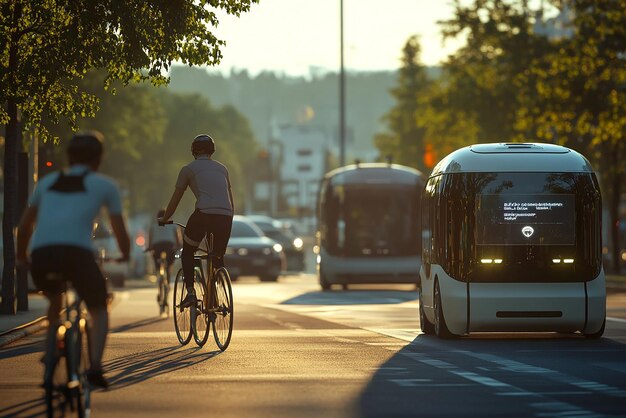
Atlanta BeltLine Launches Free Autonomous Shuttle Service on the Westside
The Atlanta BeltLine has launched a free autonomous shuttle service on the Westside, adding a new transportation option to the sprawling urban trail system. The service represents an expansion of mobility offerings along one of the city's most ambitious infrastructure projects.
The BeltLine, a 22-mile loop of redeveloped railroad corridors, has become a hub for walking, cycling, and public transit across Atlanta. The Westside segment connects several neighborhoods and serves residents and visitors seeking alternatives to car travel. The autonomous shuttle service complements existing transit infrastructure and the BeltLine's pedestrian and bike pathways.
How the Service Works
The free shuttle operates along a designated portion of the Westside corridor, offering residents and visitors another way to move through the area without a personal vehicle. Autonomous vehicles are equipped to navigate the dedicated route, with safety systems and monitoring in place during operation. The service operates on a regular schedule, though specific operational details remain subject to adjustment as officials gather feedback and data.
The vehicles themselves represent an evolution in urban transit technology. They eliminate the need for a driver while maintaining oversight and control mechanisms to ensure passenger safety. This approach allows the service to operate without the labor costs associated with traditional shuttle programs, keeping the service free for users.
Why It Matters for Westside Neighborhoods
The Westside has undergone significant change in recent years as BeltLine development has spread across the corridor. New parks, restaurants, and residences have emerged, drawing foot traffic and investment. The autonomous shuttle fills a gap for those who want to access these amenities without driving or who may have difficulty walking long distances along the trail.
For commuters, the shuttle offers a connection to other transit options and reduces reliance on personal vehicles for short trips. Families with young children, elderly residents, and people with mobility challenges may find the service particularly useful for navigating the Westside without fatigue or barriers.
Officials have indicated that the service is being monitored to assess demand, efficiency, and user experience. The data gathered during this phase will inform decisions about expanding or modifying the program in the future.
Integration with Existing BeltLine Infrastructure
The autonomous shuttle does not replace the BeltLine's primary appeal—its pedestrian and cycling pathways. Instead, it integrates with the broader ecosystem of how residents move through the area. Some may walk portions of the trail, take the shuttle for others, and combine their BeltLine experience with trips on buses or other transit.
The Westside segment of the BeltLine connects several neighborhoods and cultural anchors. The addition of the free shuttle service acknowledges that not all users can or prefer to walk the entire distance, and not all have access to cars. By offering this intermediate option, the BeltLine continues to evolve as a multimodal transportation corridor.
As the autonomous shuttle operates, officials are collecting information on ridership patterns, safety incidents, and user satisfaction. This feedback will help shape how the service develops and whether similar programs might expand to other sections of the BeltLine.
The launch of the free autonomous shuttle on the Westside reflects a broader trend in urban areas experimenting with emerging transit technologies. For Atlanta residents accustomed to the BeltLine as a destination for recreation and exercise, the shuttle adds a practical dimension—turning the corridor into a functional part of the city's transportation network while preserving its character as a community gathering space.