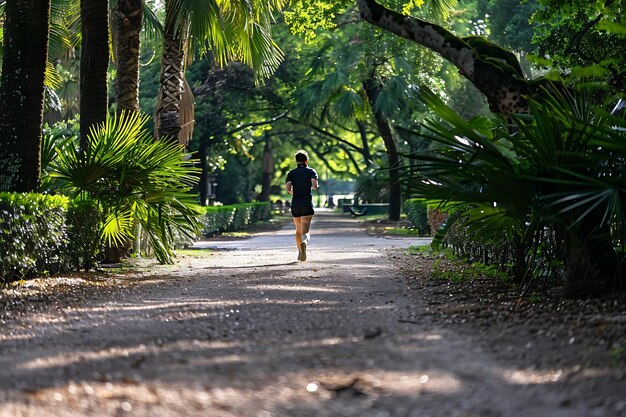
Atlanta BeltLine Delivers New Green Space and Trail Extension Ahead of World Cup Deadline
A major trail expansion project on the BeltLine is nearing completion, bringing new pedestrian and cycling infrastructure to the region ahead of an upcoming international sporting event. The project aims to enhance connectivity across the urban core and provide commuters and recreational users with expanded options for getting around without a car.
The BeltLine trail system, which has become a central feature of Atlanta's transportation and recreation network, is undergoing significant expansion. Officials said the work will add green space and extend the trail network, creating new routes for pedestrians and cyclists throughout the area. The project is timed to be finished before the World Cup deadline, positioning the region to showcase the completed infrastructure during the event.
What It Means for Commuters
For people who use the BeltLine regularly—whether for recreation, fitness, or as part of their daily commute—the expansion opens new connections and reduces reliance on car travel for shorter trips. The addition of green space along the trail corridor also helps manage stormwater runoff and improves air quality in the urban environment.
The trail extension is particularly significant for neighborhoods that have historically had limited pedestrian and cycling infrastructure. By creating direct, safe routes across the city, the project encourages alternative transportation and reduces pressure on congested roadways during peak commuting hours. Even modest increases in the number of people walking or biking can help ease traffic flow for drivers.
Building Out the Network
The BeltLine has grown into one of the region's most important transportation assets since its initial phases opened. The trail follows a historic railroad corridor that loops through the city, connecting multiple neighborhoods and commercial districts. Each phase of expansion extends these connections further, filling gaps that previously forced pedestrians and cyclists onto busy streets.
The new trail extension and green space additions represent a continuation of this strategy. By completing these segments ahead of the World Cup deadline, the city ensures that visitors and residents alike will have access to a more complete network. Finished sections of trail tend to see immediate adoption, as people discover new routes that save time or offer safer alternatives to driving.
Timeline and Preparation
Work on transportation infrastructure of this scale requires careful coordination among multiple agencies and contractors. Officials said the project is on track to meet the World Cup deadline, though construction activity may create temporary disruptions in surrounding areas. Drivers and commuters should stay informed about any lane closures or detours affecting local corridors during construction phases.
Once complete, the expanded BeltLine will serve as both a transportation corridor and a recreational amenity. The addition of green space along the trail provides environmental benefits beyond just movement—native plantings, trees, and restored landscapes help filter air and water while creating habitat for wildlife in an urban setting.
Regional Impact
The BeltLine expansion is part of a broader shift in how Atlanta approaches mobility. As the region continues to grow, reducing car dependency becomes increasingly important for managing congestion and air quality. Trails and pedestrian infrastructure are proven tools for achieving these goals, particularly for short trips under three miles, which represent a significant portion of daily travel.
The project demonstrates that major infrastructure investments can serve multiple purposes: moving people efficiently, improving public health through recreation, enhancing neighborhood character, and preparing for major events. As the World Cup approaches, the completed trail segments will offer visitors a compelling way to explore the city while giving residents year-round benefits long after the event concludes.