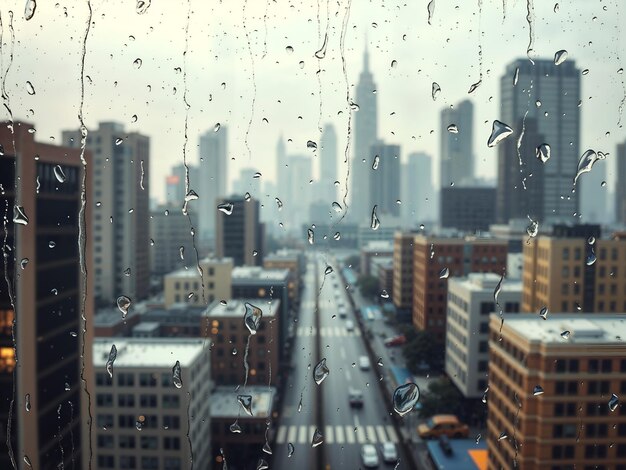
Atlanta's Summer 2026 Forecast: Above-Normal Rainfall Ahead of Biggest Event Season in City History
Atlanta residents planning outdoor events this summer should prepare for wetter-than-usual conditions as the city enters one of its most significant event seasons on record. Above-normal rainfall is expected throughout the summer months, a pattern that will shape everything from festival scheduling to lawn care and drainage planning across the metro area.
The combination of increased precipitation and a packed calendar of major events makes this an important season to understand what weather lies ahead. Summer thunderstorms are common in Atlanta, but forecasters are signaling that rain will be more frequent than typical, requiring residents and event planners to think carefully about timing and contingencies.
What Above-Normal Rainfall Means for Atlanta
Atlanta's summer climate typically features hot, humid afternoons with scattered thunderstorms, particularly in the late afternoon and evening hours. The region's geography—nestled in the foothills of the Blue Ridge Mountains—influences how moisture moves through the area, often triggering isolated storms that can bring heavy downpours in short periods.
When forecasters talk about above-normal rainfall, they mean that the total accumulation across the season will likely exceed what the area typically receives. This doesn't necessarily mean rain every single day, but rather a higher frequency of wet days and potentially heavier storm totals when they do occur. For a city preparing to host major events, this adds another layer of complexity to logistics and outdoor planning.
Residents should expect the typical summer pattern of afternoon and evening thunderstorms, but with more opportunities for rain throughout the season. This pattern can affect everything from yard maintenance schedules to outdoor dining plans and weekend activities.
Planning Around the Busiest Event Season
The timing of above-normal rainfall during Atlanta's biggest event season creates genuine challenges for organizers and residents alike. Major festivals, concerts, and outdoor gatherings draw crowds from across the region, and wet conditions can affect attendance, setup, and overall experience.
Event planners are likely already factoring weather contingencies into their strategies. Tent rentals, drainage considerations, and backup indoor spaces become more critical when rain is expected to be above normal. For residents, this means being flexible with plans and keeping an eye on forecasts as events approach.
The silver lining is that advance warning of a wetter-than-typical season allows time to prepare. Checking event websites for weather policies, knowing which venues have covered spaces, and keeping rain gear handy are practical steps that make a difference.
Summer Storms in Atlanta's Heat and Humidity
Atlanta summers are characterized by heat and humidity that build throughout the day. These conditions create an atmosphere conducive to afternoon and evening thunderstorms, which provide temporary relief from the heat but also bring lightning, gusty winds, and occasional heavy rain.
With above-normal rainfall in the forecast, these storms may be more frequent than usual. Storm severity can vary widely—some may be brief and light, while others could produce heavier downpours. The unpredictability of individual storms means that real-time weather monitoring closer to event dates will be essential for decision-making.
Residents familiar with Atlanta summers know that storms often pass quickly, but their arrival can still disrupt plans. Staying weather-aware and checking forecasts regularly becomes even more important during a season expected to be wetter than average.
Preparing for a Wetter Summer Ahead
For households and businesses across Atlanta, a summer with above-normal rainfall calls for some practical preparation. Gutters and drainage systems should be in good working order to handle heavier downpours. Those with yards might plan landscaping or outdoor work during expected drier windows rather than assuming consistent conditions.
Outdoor event organizers should review insurance, contingency plans, and backup locations now rather than waiting until closer to event dates. For residents, simply staying informed through local forecasts and maintaining flexibility with outdoor plans will go a long way.
The convergence of above-normal rainfall and Atlanta's biggest event season in city history makes this an important summer to plan thoughtfully. Understanding the likely weather pattern and preparing accordingly will help residents and organizers navigate whatever the season brings.