Spring in Atlanta: Azalea Season, Severe Storm Risks, and What March Through May Brings
Spring arrives in Atlanta with its signature blend of beauty and unpredictability. As the azaleas burst into bloom across the region, residents should prepare for the weather volatility that comes with the season—a mix of mild stretches and potential severe storms that can develop quickly.
The period from March through May defines spring in the Southeast, and Atlanta sits squarely in a zone where that transition can feel dramatic. Warmer days pull moisture northward, and clashing air masses create the conditions for severe weather. Understanding what to expect over the coming weeks helps you plan outdoor events, yard work, and daily routines around both the opportunities and the hazards the season brings.
Azalea Season and Pleasant Days
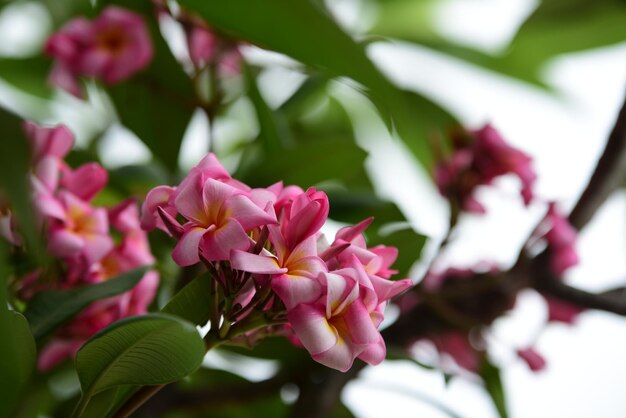
Spring's arrival brings those famous azalea blooms that draw visitors and keep Atlanta's gardens at peak color. The flowering period depends on when the last freeze passes and how temperatures trend, but once it does, the window for enjoying outdoor activities expands rapidly.
Mild afternoons become more common as the season progresses. These are ideal days for being outside—whether gardening, walking, or simply enjoying the outdoors without the weight of summer heat. Layer your clothing, though; mornings often stay cool while afternoons warm up noticeably.
The Storm Season Ingredient
Spring also brings the most active period for severe weather in the Southeast. Atlanta's location puts it in a zone where cold and warm air masses collide, spawning thunderstorms that can turn dangerous quickly. Some afternoons will see isolated cells pop up; others may bring organized storm systems with damaging wind potential and the possibility of rotating updrafts.
Severe storms in spring tend to develop in the afternoon and evening, sometimes producing heavy downpours that strain drainage systems. The risk shifts throughout the season as patterns evolve. Early spring storms often arrive with strong winds; later in the season, the threat includes hail and organized severe weather.
Rainfall Patterns Through May
Spring typically brings regular rainfall to the region as moisture returns and systems move through. Some weeks will feel wetter than others. Plan your outdoor work and events with flexibility in mind—rain chances stay elevated throughout the season.
Flooding can occur in areas with poor drainage or near creeks during heavier rainfall events. If you live in a flood-prone location, stay alert during and after rainy stretches, especially if storms train over the same area.
Preparing Your Plans
Checking the forecast before committing to outdoor activities becomes essential as spring unfolds. A day that looks pleasant in the morning can turn stormy by afternoon. Keep an eye on storm chances throughout the day rather than relying solely on overnight forecasts.
Have a plan for sudden storms. Know where to take shelter at work, school, and home. Keep emergency supplies accessible—a flashlight, batteries, first-aid kit, and a weather radio that alerts you to warnings when conditions deteriorate.
Outdoor setup—patio furniture, decorations, unsecured items—should be brought inside or secured when severe storm risk is elevated. Heavy winds can move objects that seem stationary.
Garden and Yard Timing
Azalea season offers the perfect window to catch up on yard work when the weather cooperates. But avoid major outdoor projects during periods when rain is likely or when a severe weather event is forecast. Plant tender seedlings and annuals only after the threat of a late freeze has passed.
What to Watch For
Forecasters will track the setup for significant severe weather systems and issue alerts as they approach. Spring typically brings a few notable events; staying informed means you'll have time to adjust plans and take precautions.
The combination of pleasant spring days and active weather makes this season unpredictable. Atlanta residents who plan flexibly, stay weather-aware, and take warnings seriously navigate spring safely while enjoying the season's best features. Keep the forecast handy, and make the most of those mild days when storms hold off.